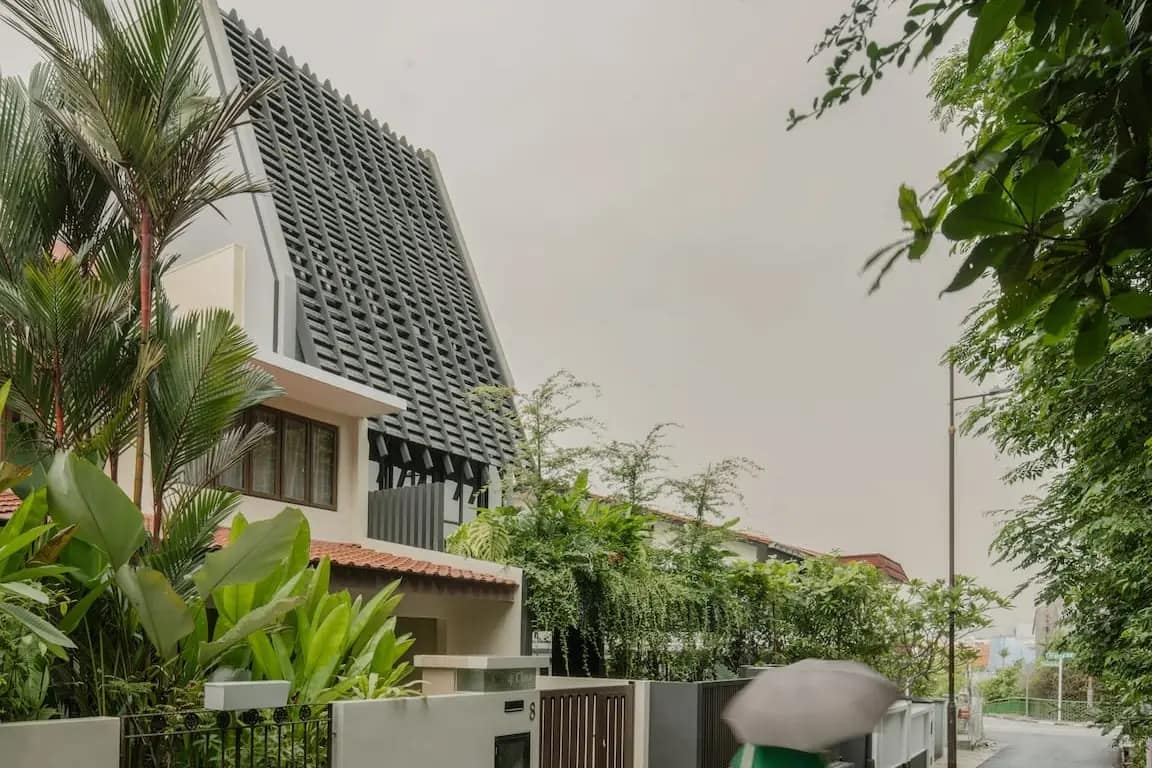


Sustainability. Considered beyond completion.
Decisions made early — orientation, shade, planting, material — do most of the work, and keep doing it.
Better for the home. Better for the future.
Orientation, shade, planting and durable materials — decided early, felt for decades.
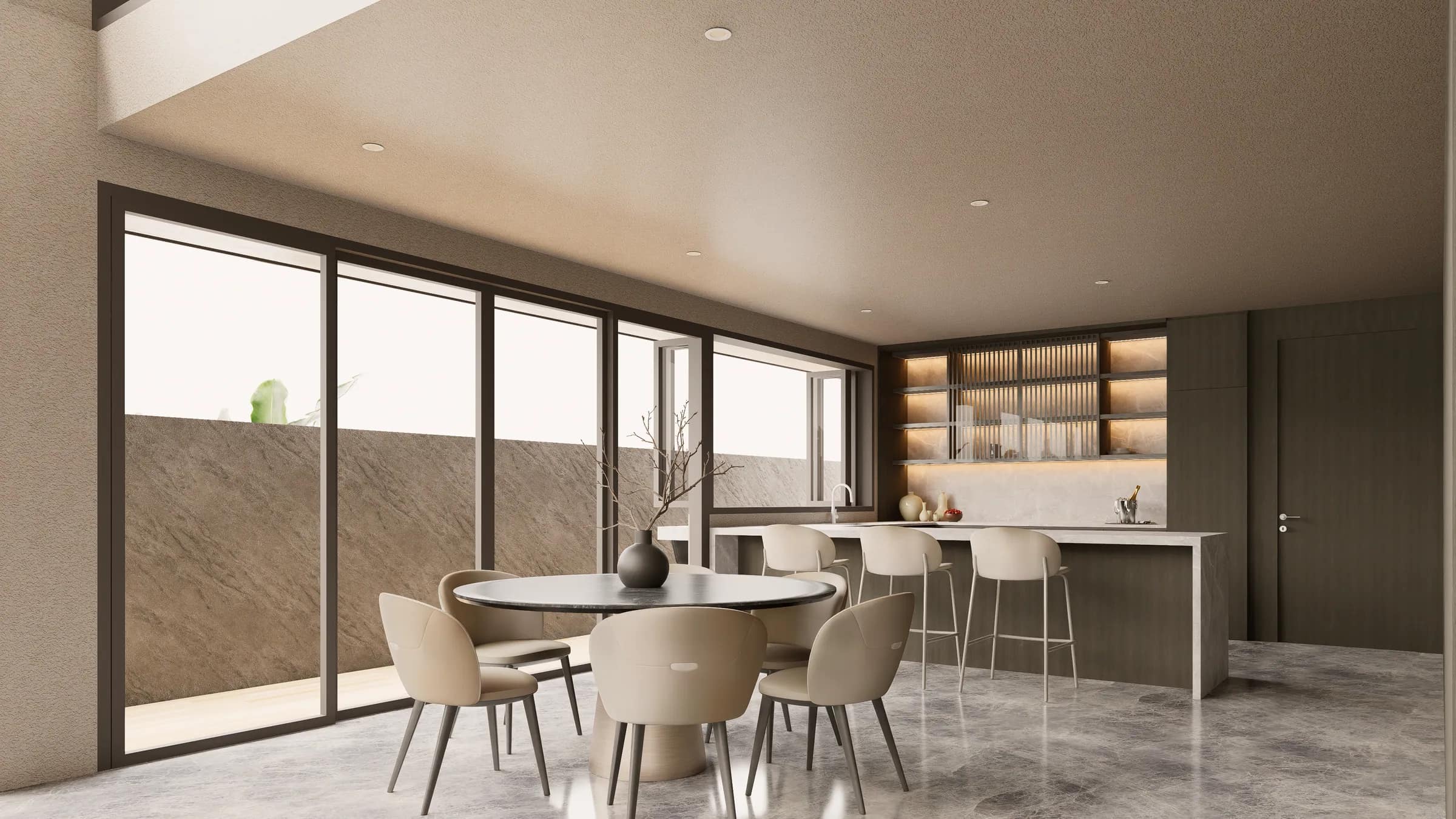
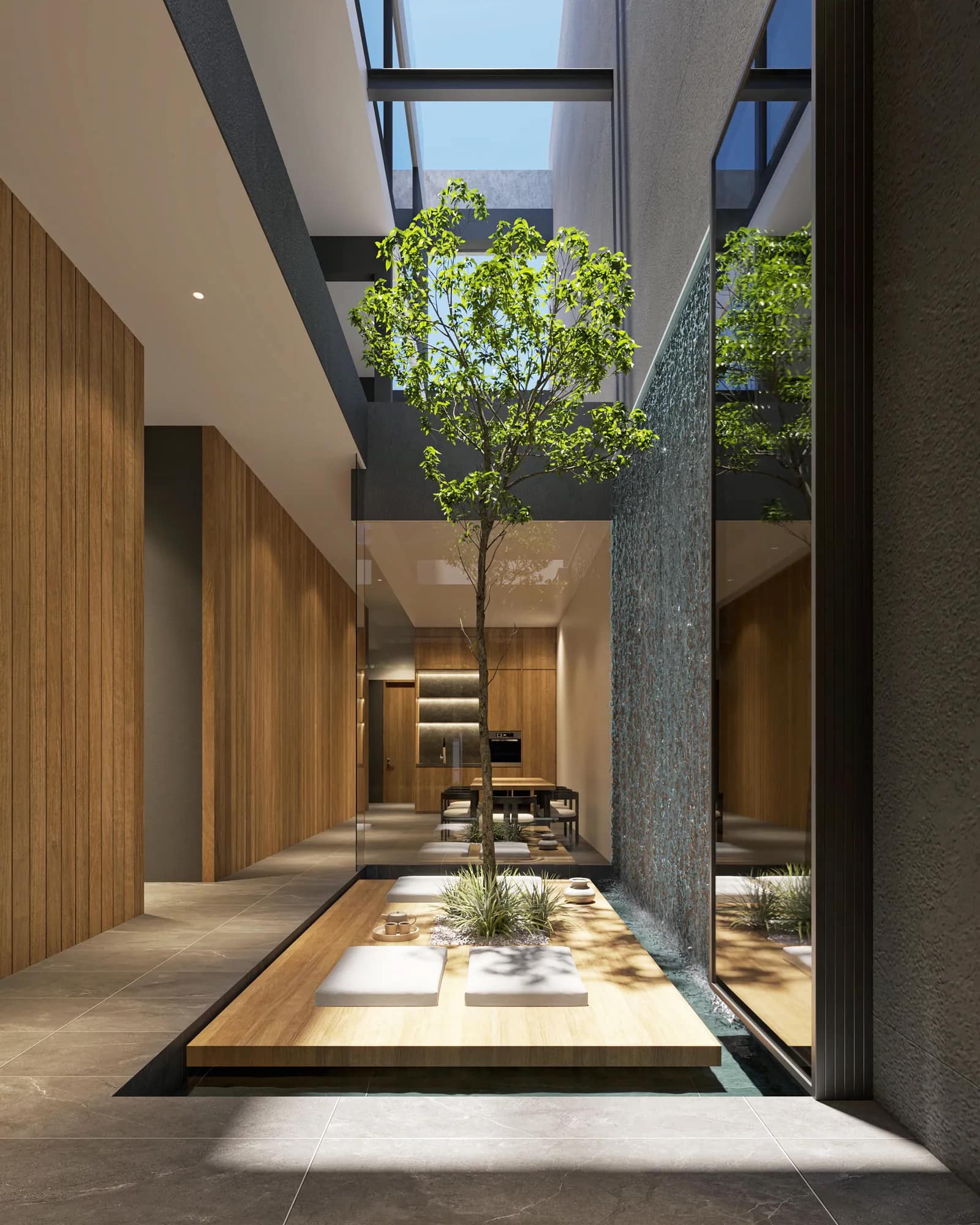
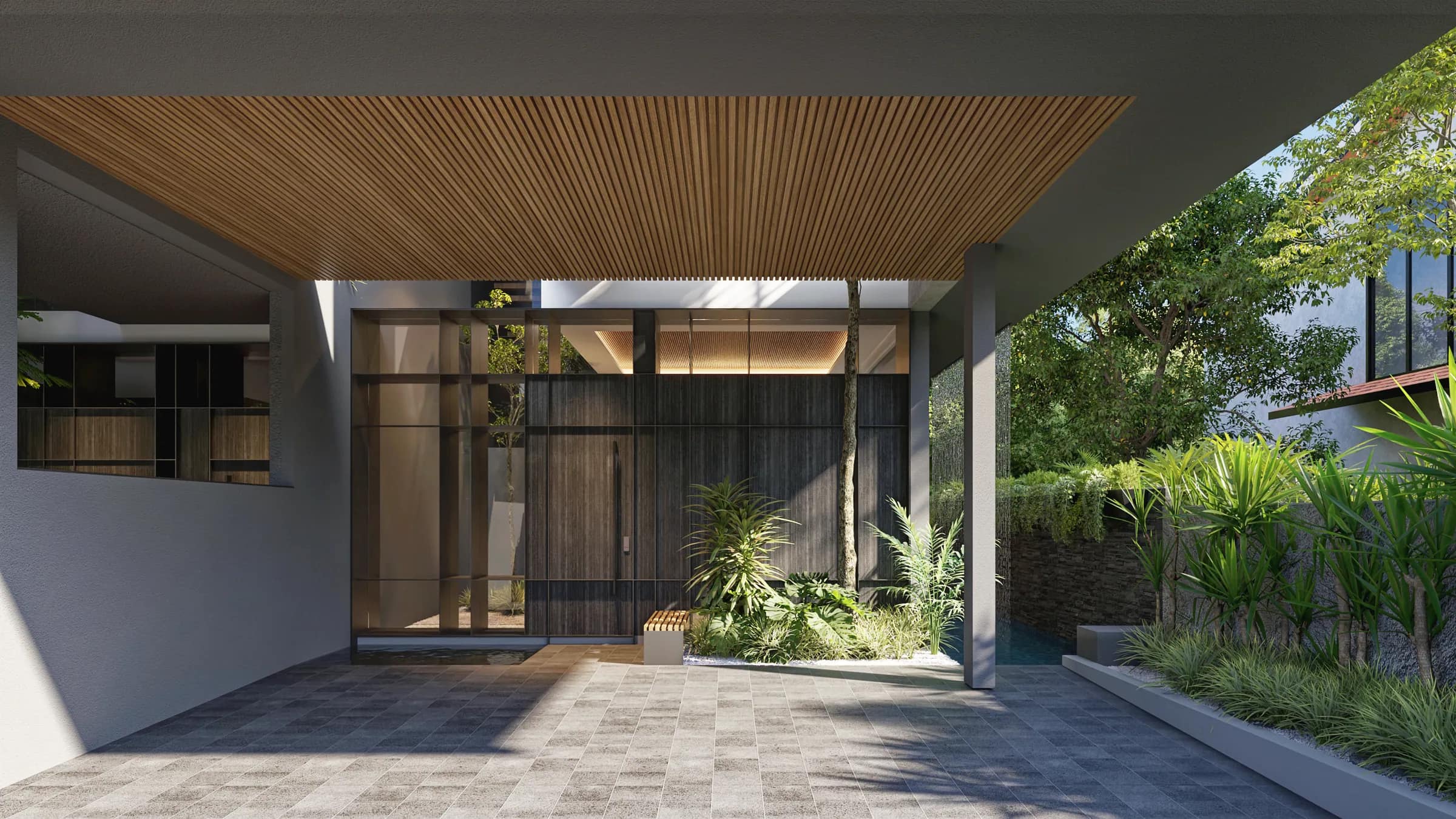

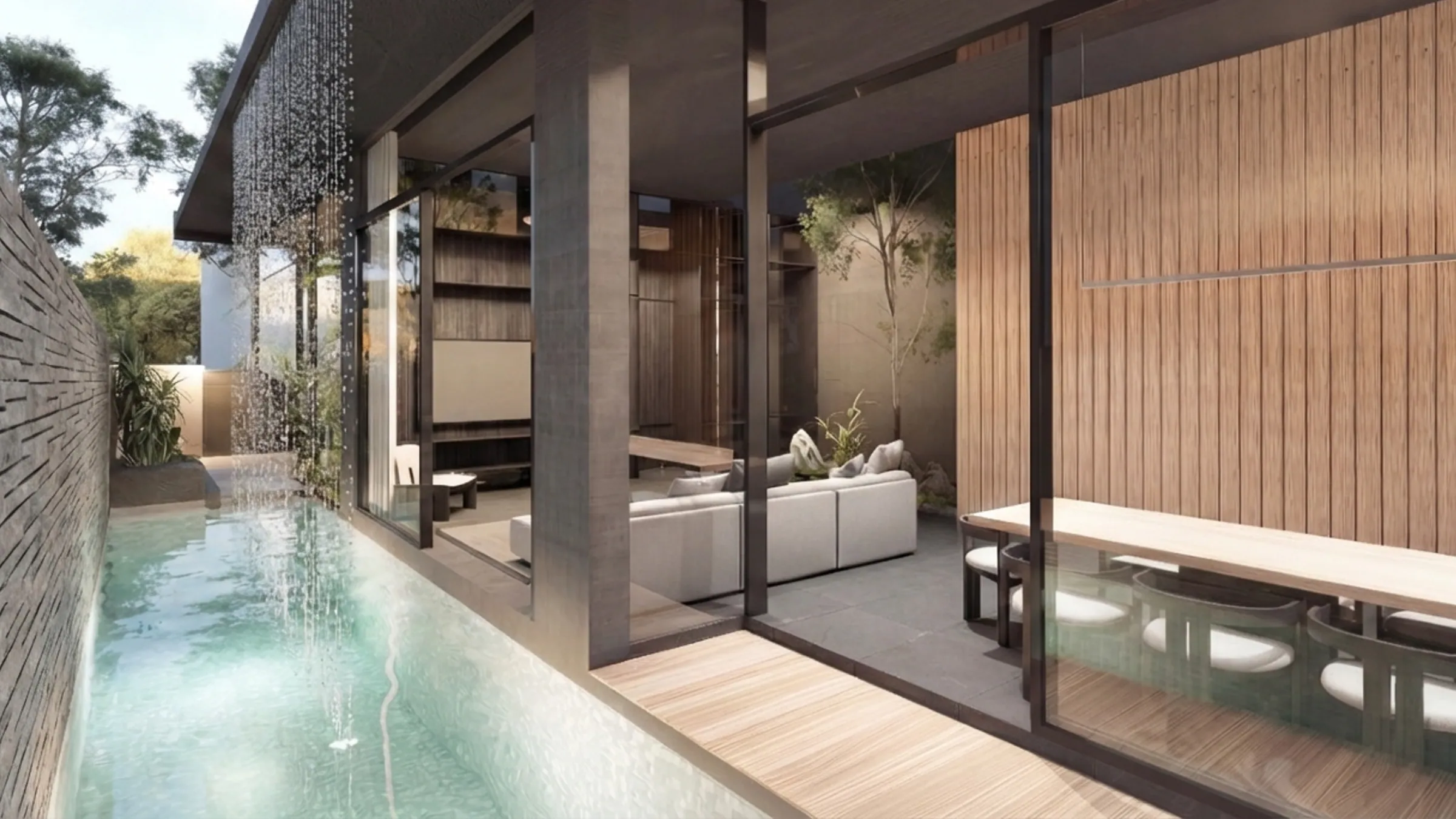
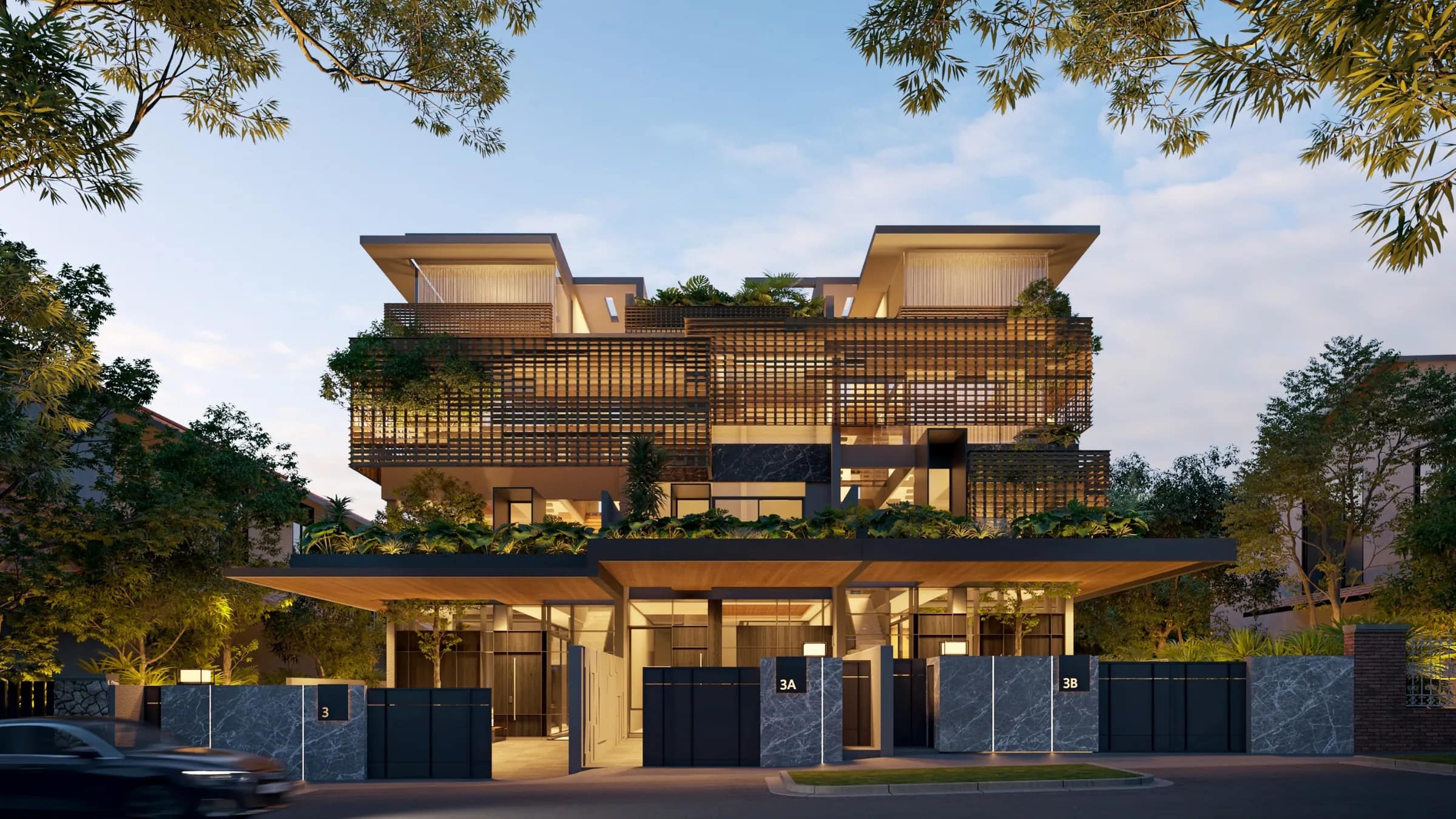
Set against the sun.
Where a room sits decides how it feels at four in the afternoon. We set the plan to the aspect first and work the rest around it.
What makes the house use less.
Energy efficiency.
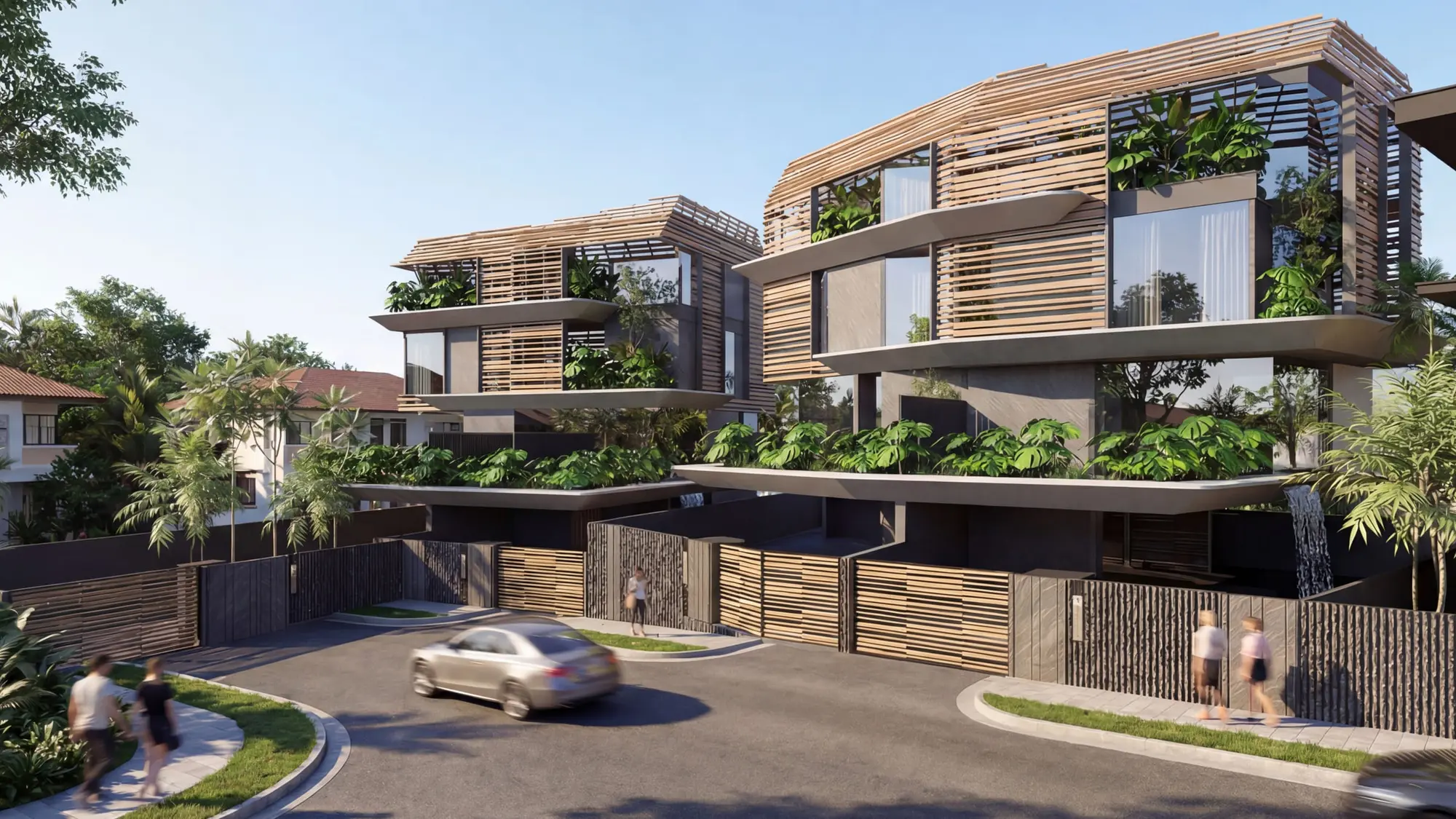
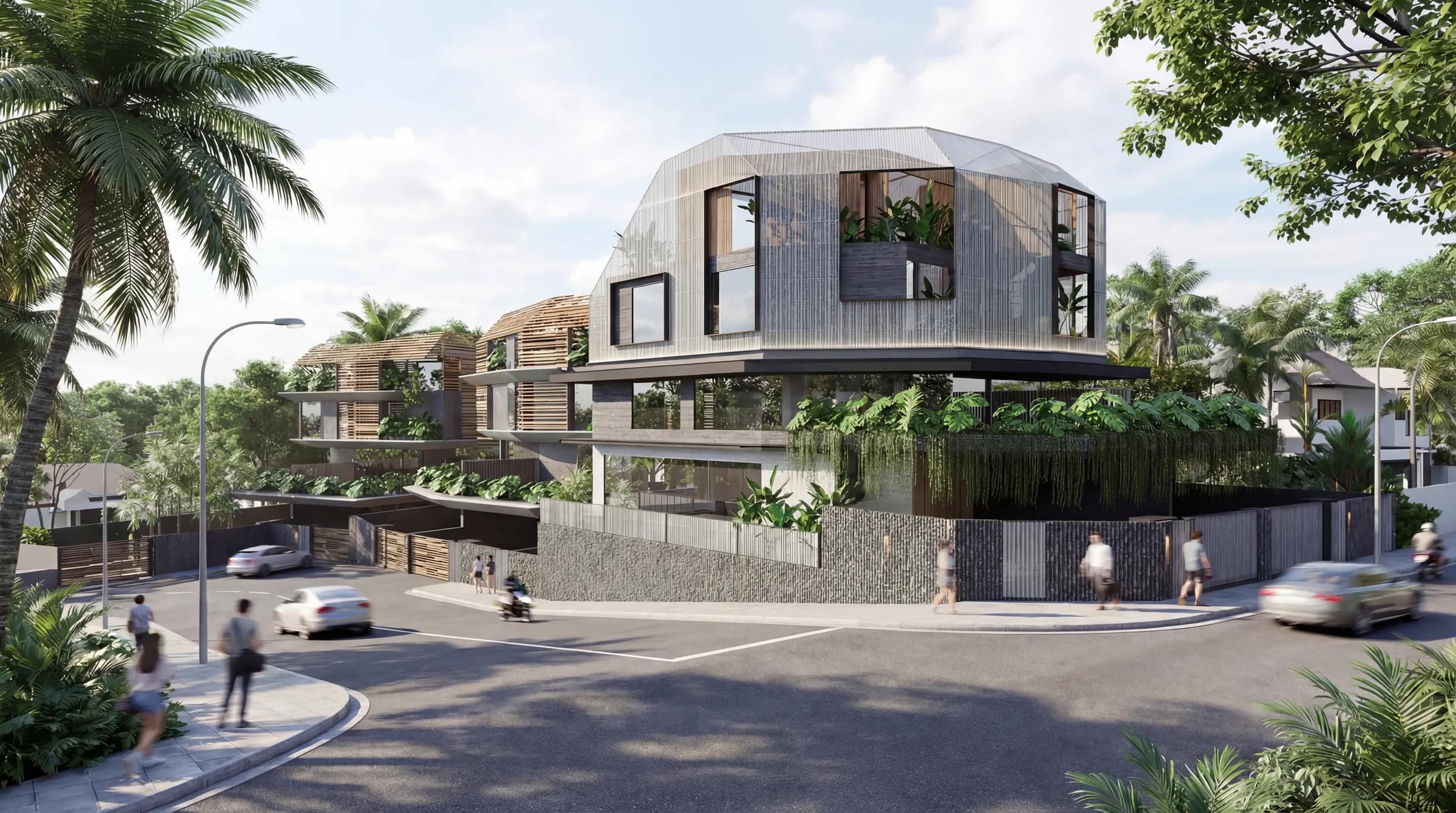
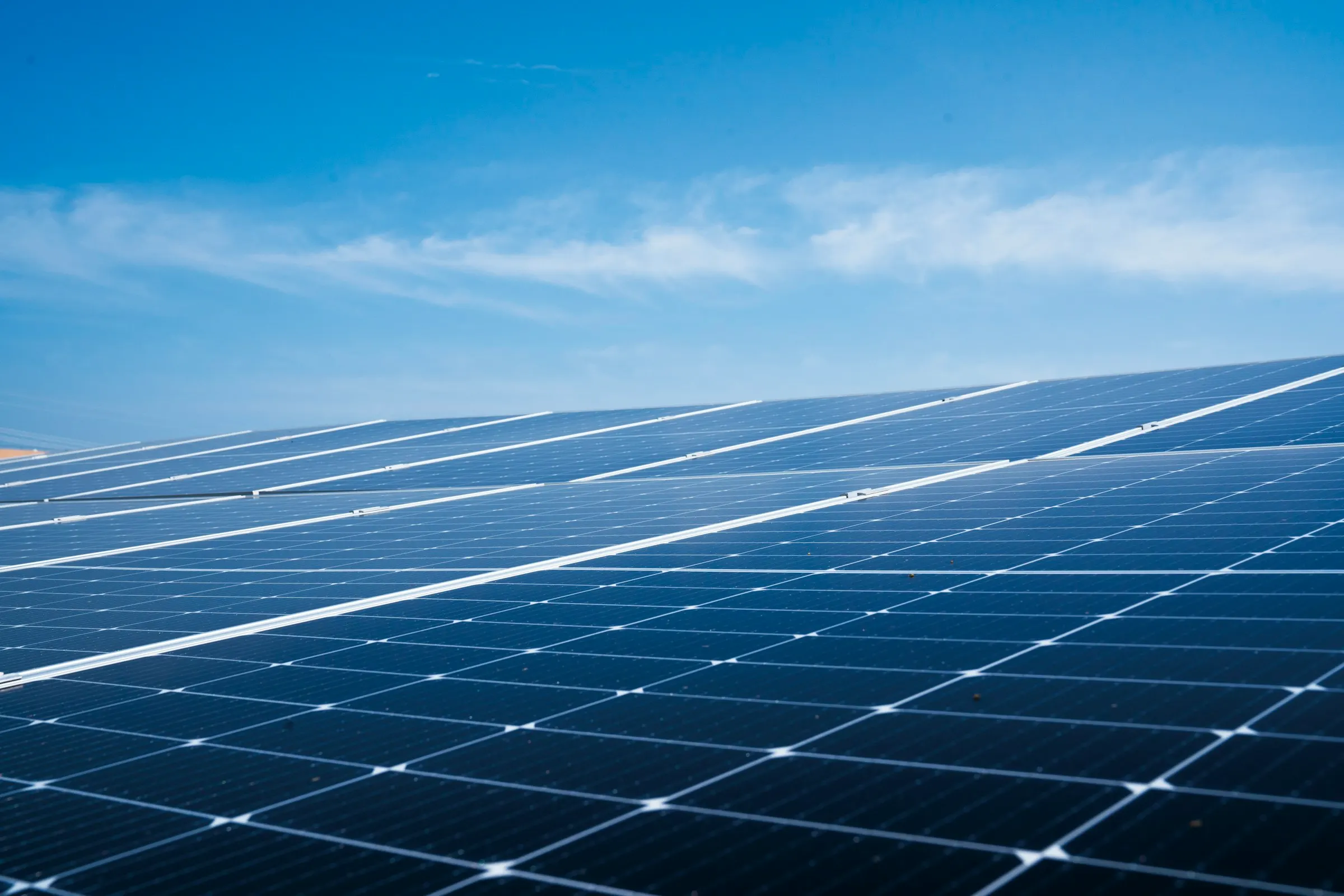
Solar panels on the roof, air-conditioning zoned so only the rooms in use are cooled, and a green front — a planted facade — shading the house before any of it has to run.
Passive cooling and natural ventilation.
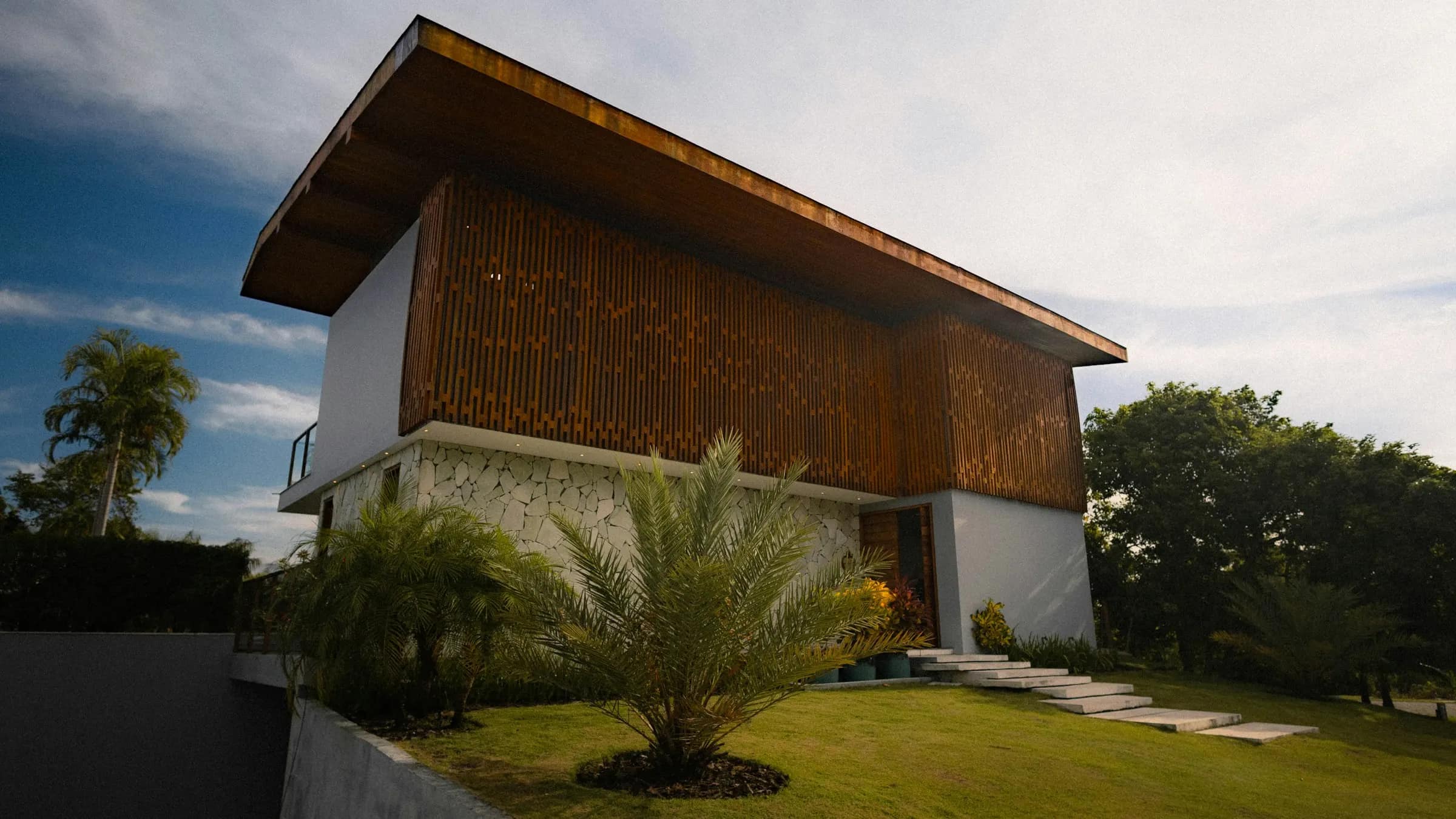
Depth, overhangs and screening keep the sun off the glass, and cross-breezes are kept open through the plan, so mechanical systems support the house rather than substitute for it.
Landscape and biodiversity.
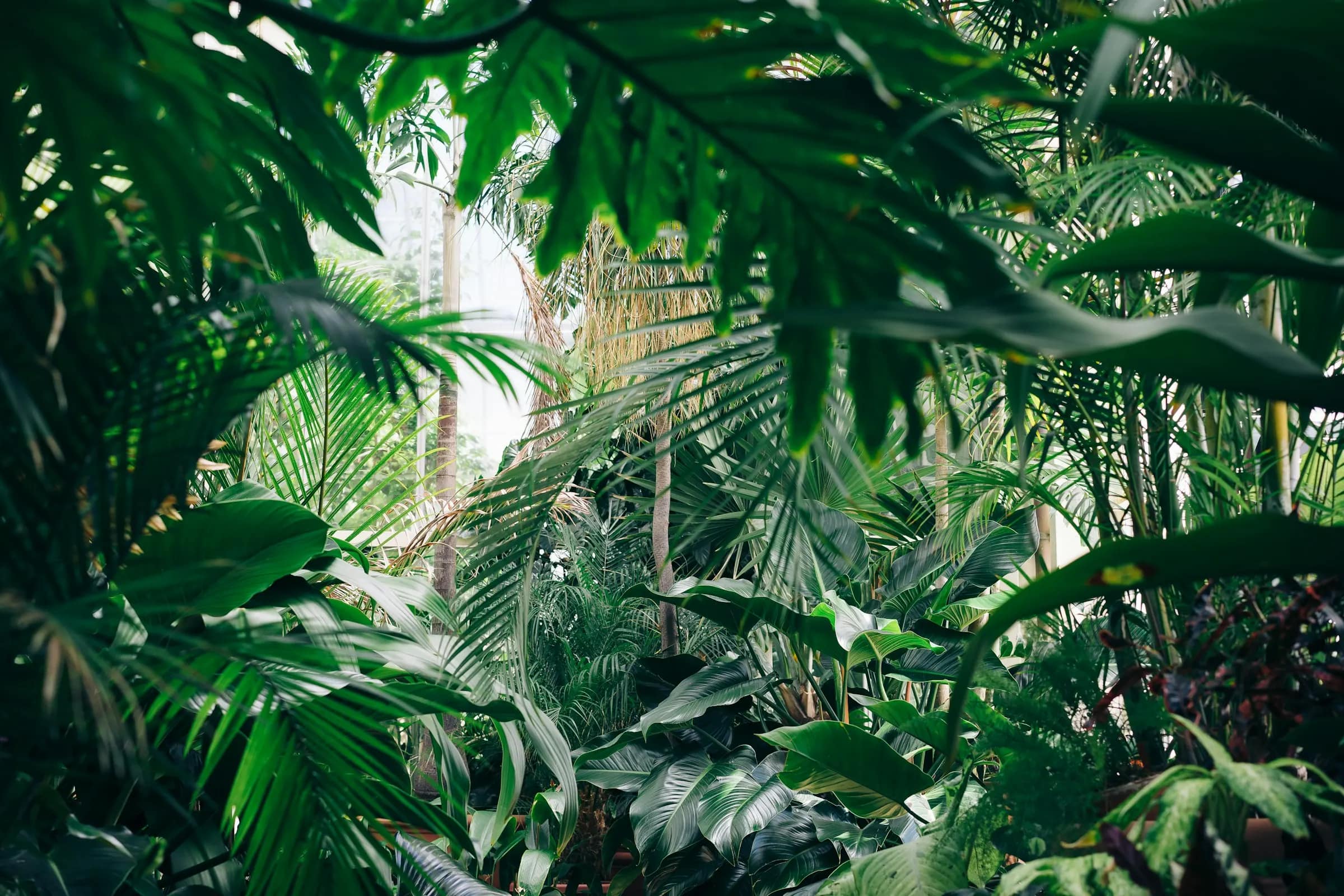
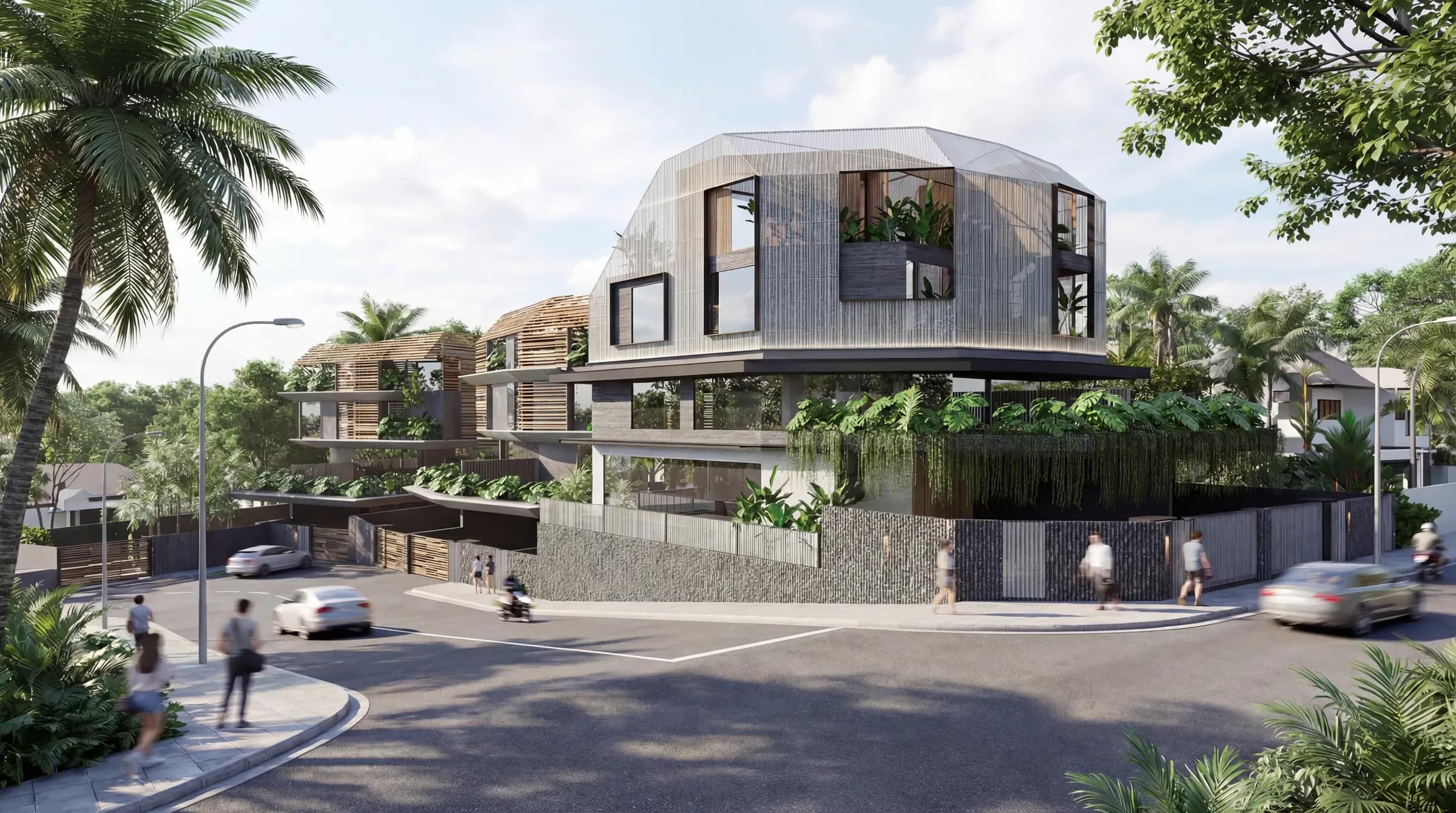
Mature planting is kept where it stands, and new planting is chosen for the climate it has to live in — ground given back to greenery, not planted for show.
Water conservation.
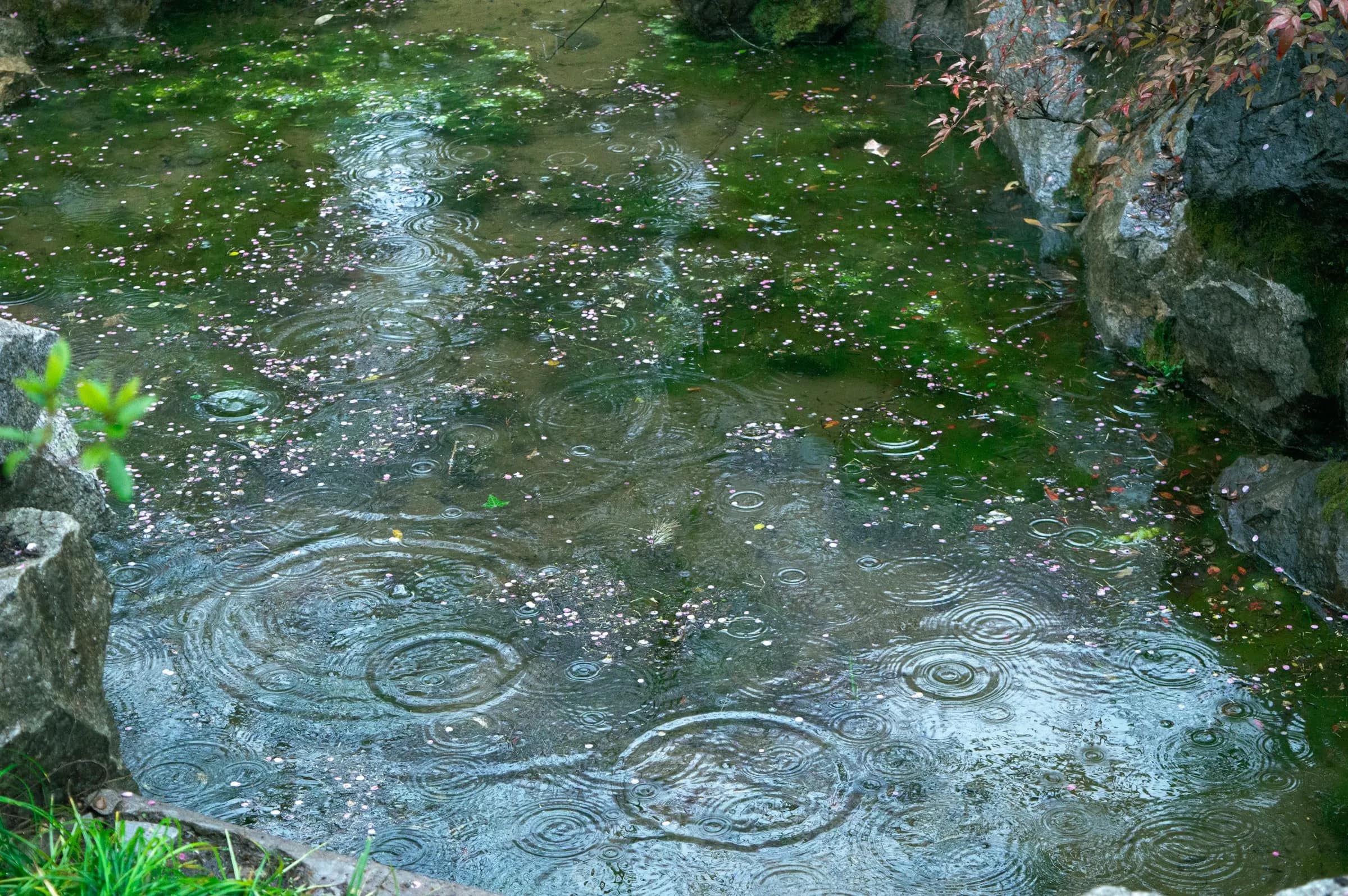
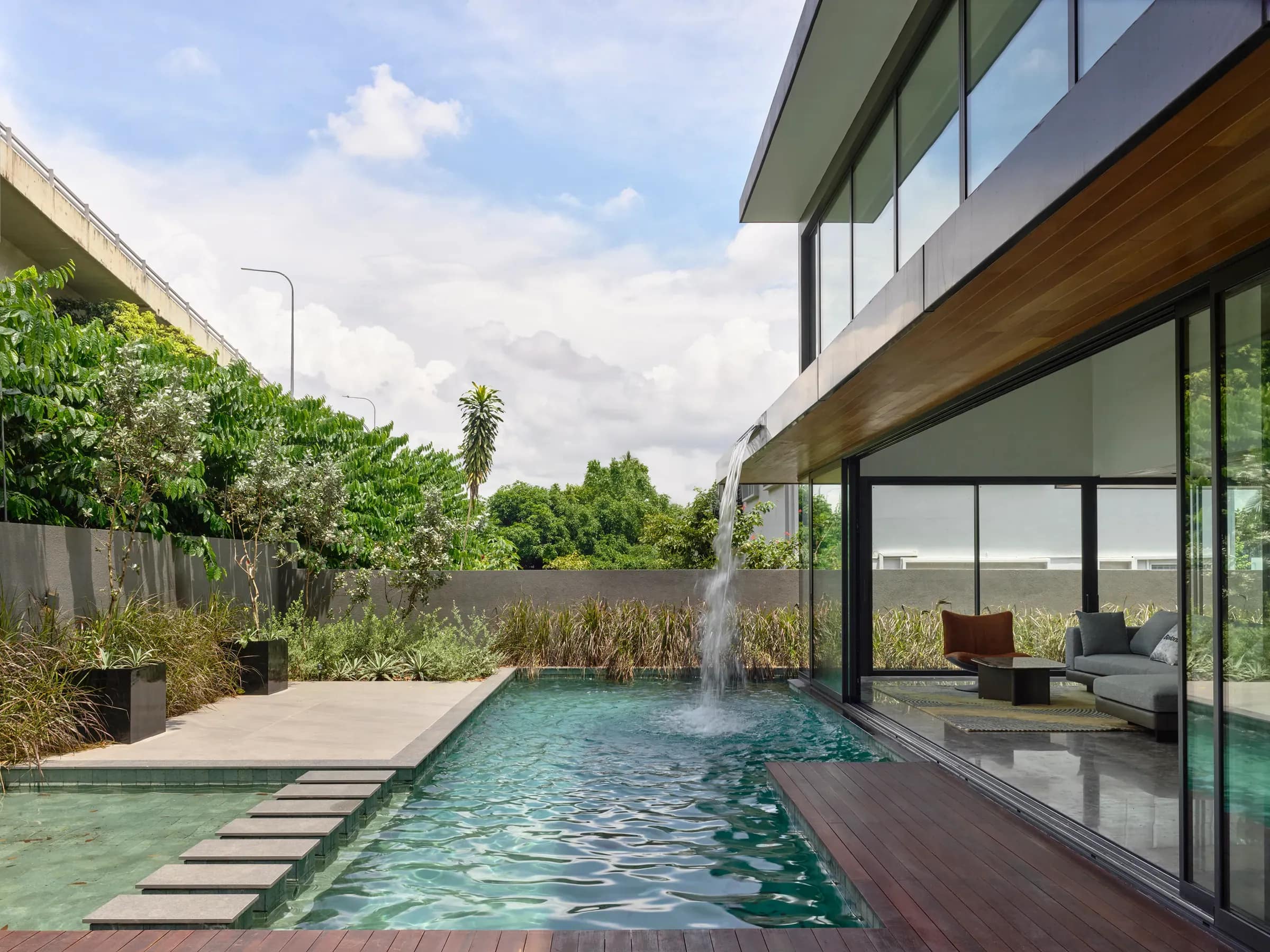
Ground is left porous and water held on site rather than rushed into the drains, and irrigation is sized to what is actually planted.
01/04
Where these decisions show up.
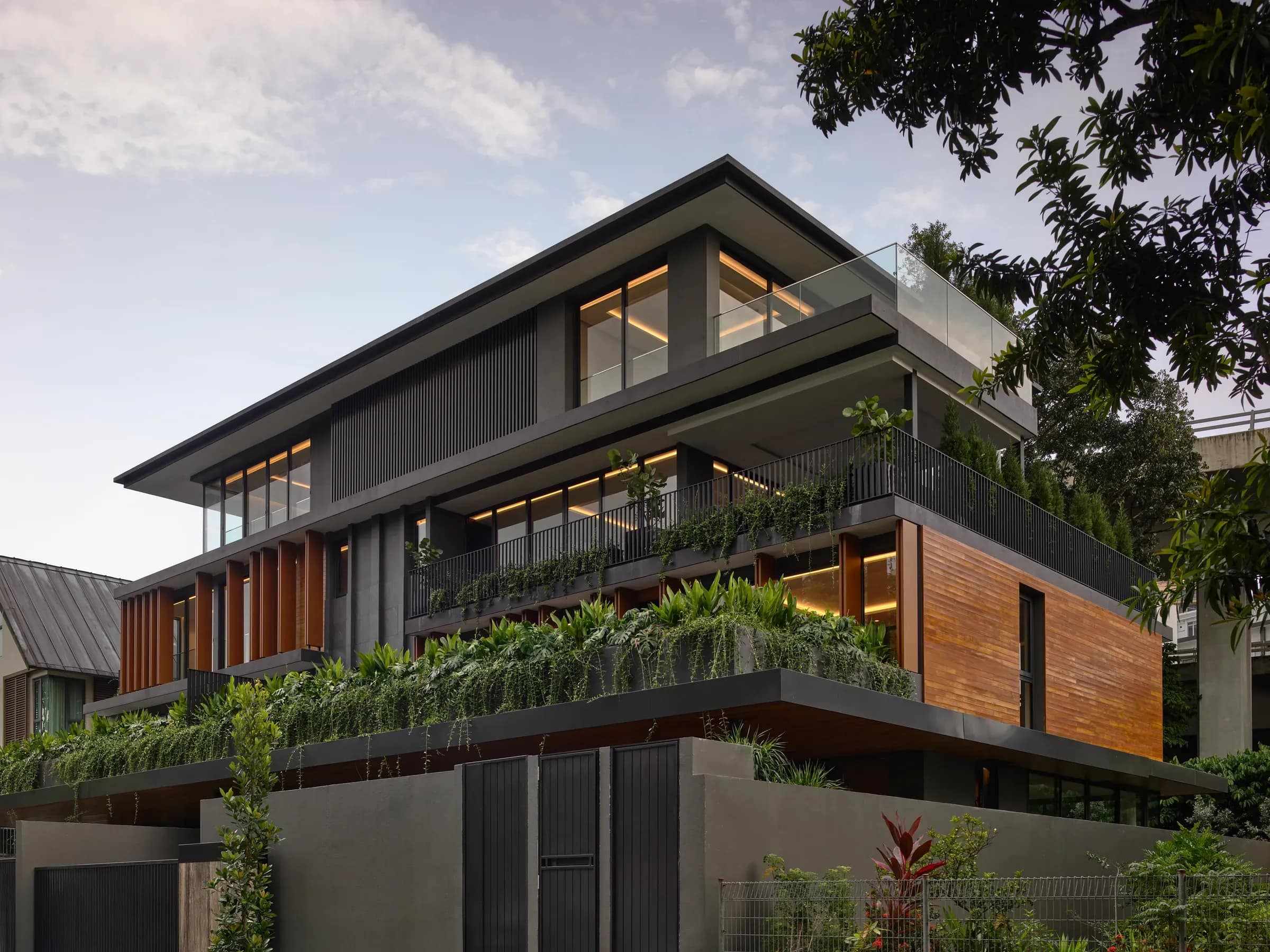
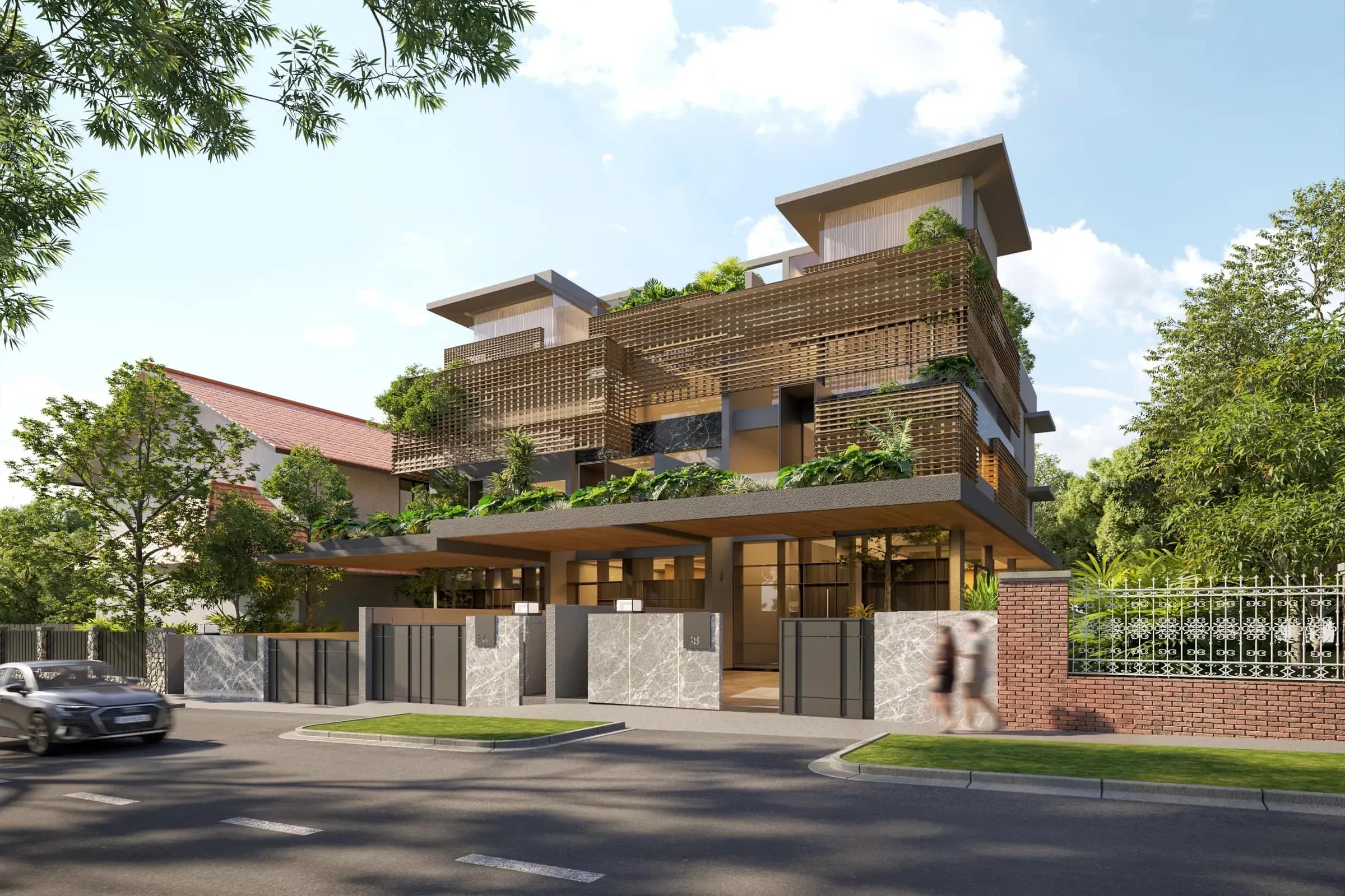
Green enough to live with.
Landscape doing the work.
Shade before systems.
We publish performance figures only where a project has been measured. Where it hasn’t, we describe the decisions instead.
The things people ask about how a house performs.
How does TMB approach sustainability in a development?
By deciding it early. Orientation, shade, planting and material are settled before a scheme is fixed, because those decisions do most of the work and then keep doing it for as long as the building stands.
What actually reduces cooling load in a Singapore house?
Placing rooms against the sun rather than against the plan, and building the shade in — depth, overhangs and screening at the facade, before glazing performance is asked to compensate. The cheapest cooling is the shade you design in.
Does a sustainable house depend on mechanical systems?
The opposite. Cross-breezes are kept open through the plan so that mechanical systems support the house rather than substitute for it.
What happens to the planting already on a site?
Mature planting is retained where it stands, and new planting is chosen for the climate it has to live in. The ground is kept permeable, the drainage considered, and irrigation sized to what is actually planted.
Why does material durability count as sustainability?
Because the longest-lived building is the low-carbon one. Materials are chosen for how they age rather than for how they look on handover.
Can sustainable design still feel luxurious?
Absolutely. Sustainability is not about compromising on comfort or aesthetics. The goal is to create homes where thoughtful design, long-term performance and elevated living work together.
How these decisions get made.
Passive cooling, materials, and the plan a family actually lives in.