
/7 min read
What Design Management Actually Does
In short
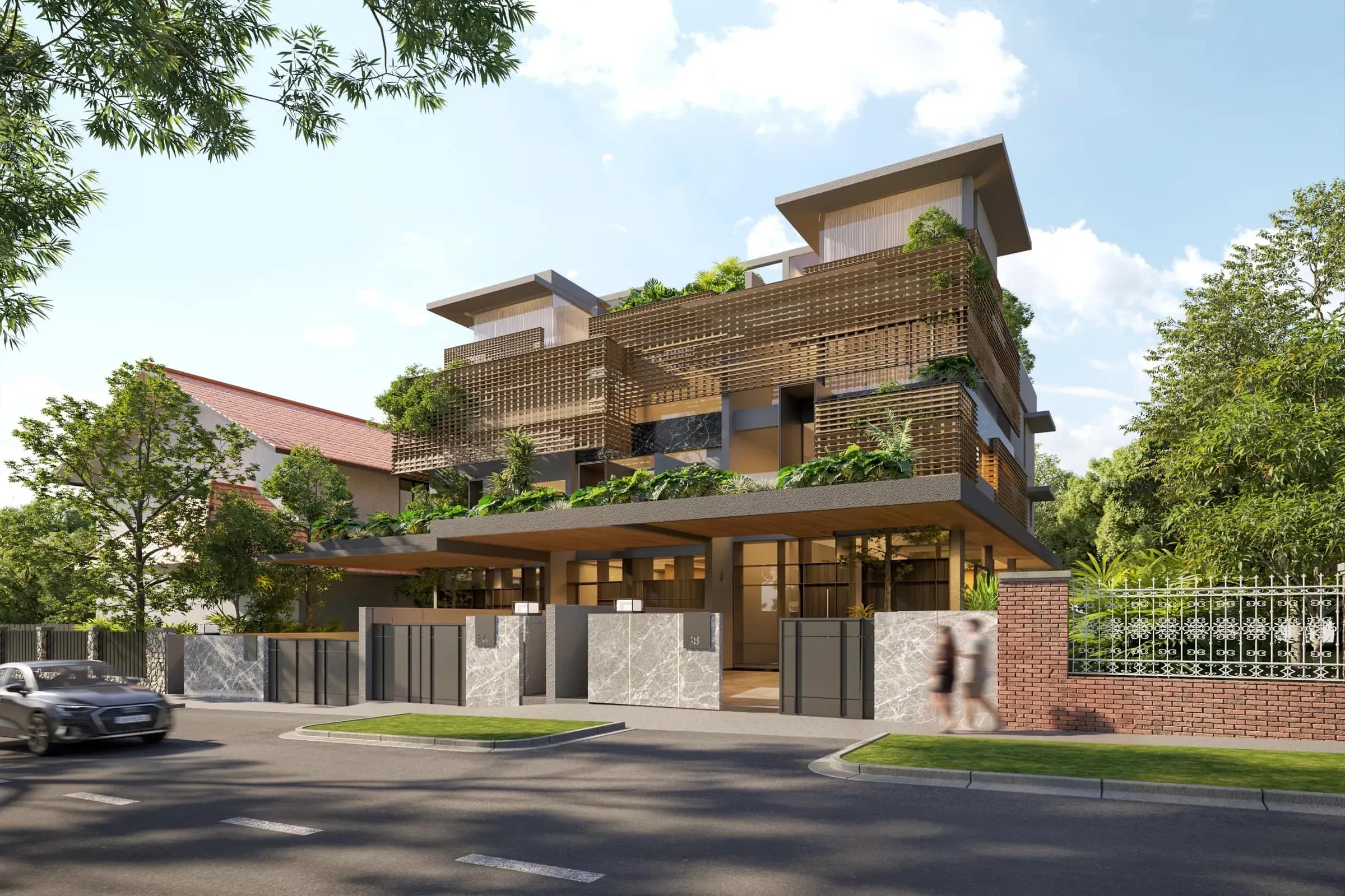
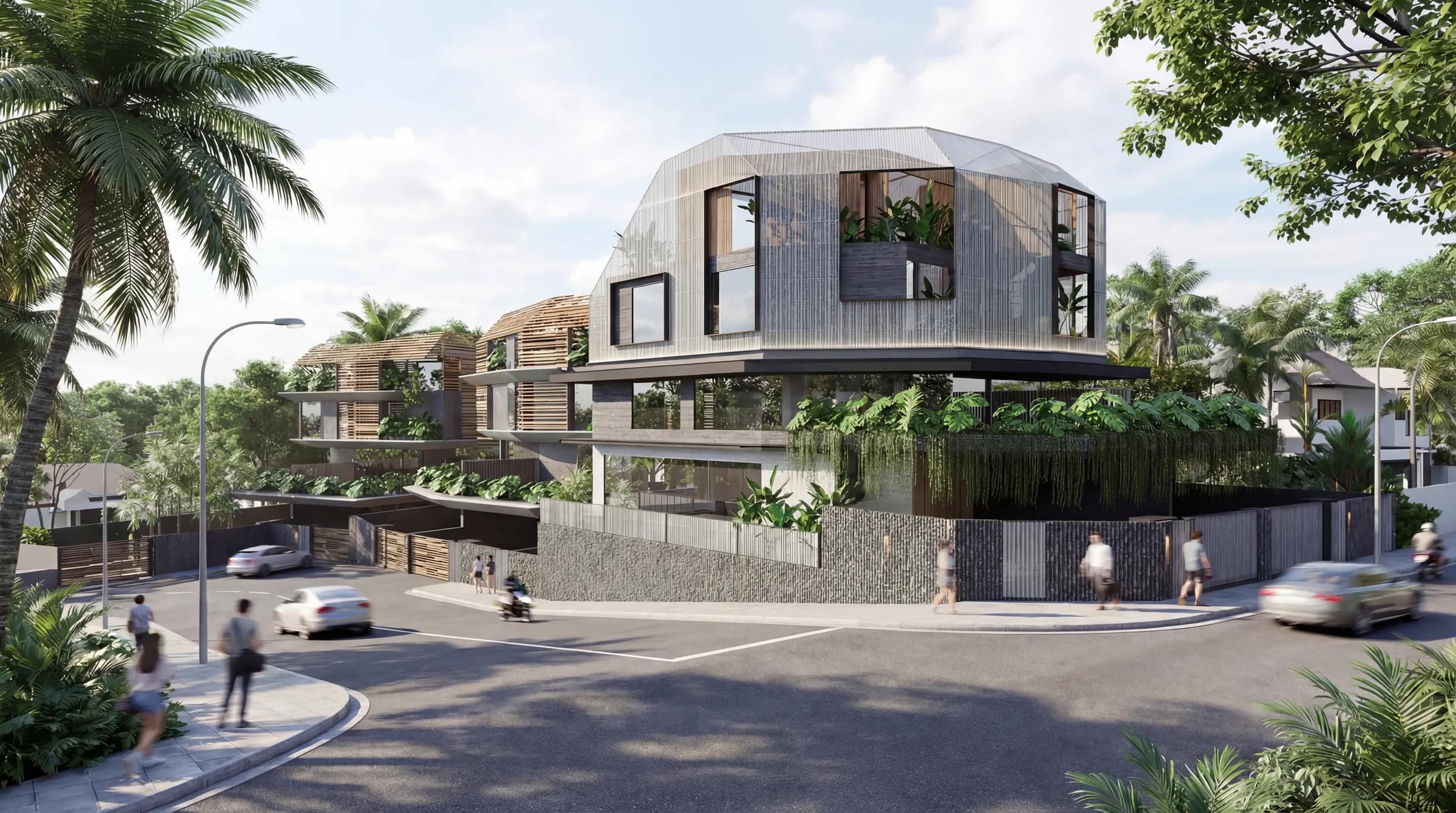
Design management is keeping a scheme buildable and affordable while it is still cheap to change. The piece sets it against the conventional sequence — design, then cost, then tender, then value-engineer the reason the scheme was good back out of it — and explains why buildability and cost are instead tested at concept stage and at every stage after it. On the schemes in The Collection KAPA design-manages and project-manages; TMB Development is the developer.
In this article
Topics
- Development
- Process
- Cost
The sequential model and why it fails
In the conventional arrangement, a design is developed, then costed, then tendered, then value-engineered back into budget. The last step usually removes the reason the scheme was good.
What we do instead
Buildability and cost are tested at concept stage and at every stage after it. Where a scheme cannot be afforded, that is known while the drawing can still change cheaply.
This is what we mean by Developer Intelligence, and it is why a private client gets the same treatment as a development: your house is planned the way a scheme gets planned.
Who is accountable
One party. On every development in The Collection, KAPA leads the design management and project management from feasibility through to handover. The developer is TMB Development, a sibling company in the group.
Key takeaways
- Design management keeps a scheme buildable and affordable while it is still changeable.
- Value engineering at tender is the failure mode it exists to prevent.
- KAPA design-manages and project-manages; TMB Development is the developer.
On this site
First published in the KAPA Journal, written with KAPA Design Collective, the practice that designs and builds our residences.
Published by TMB Development at tmbdevelopment.com/journal/what-design-management-actually-does. Quoting a passage with a link back is welcome; republishing it is not — see the terms.